
Loading…
Loading…
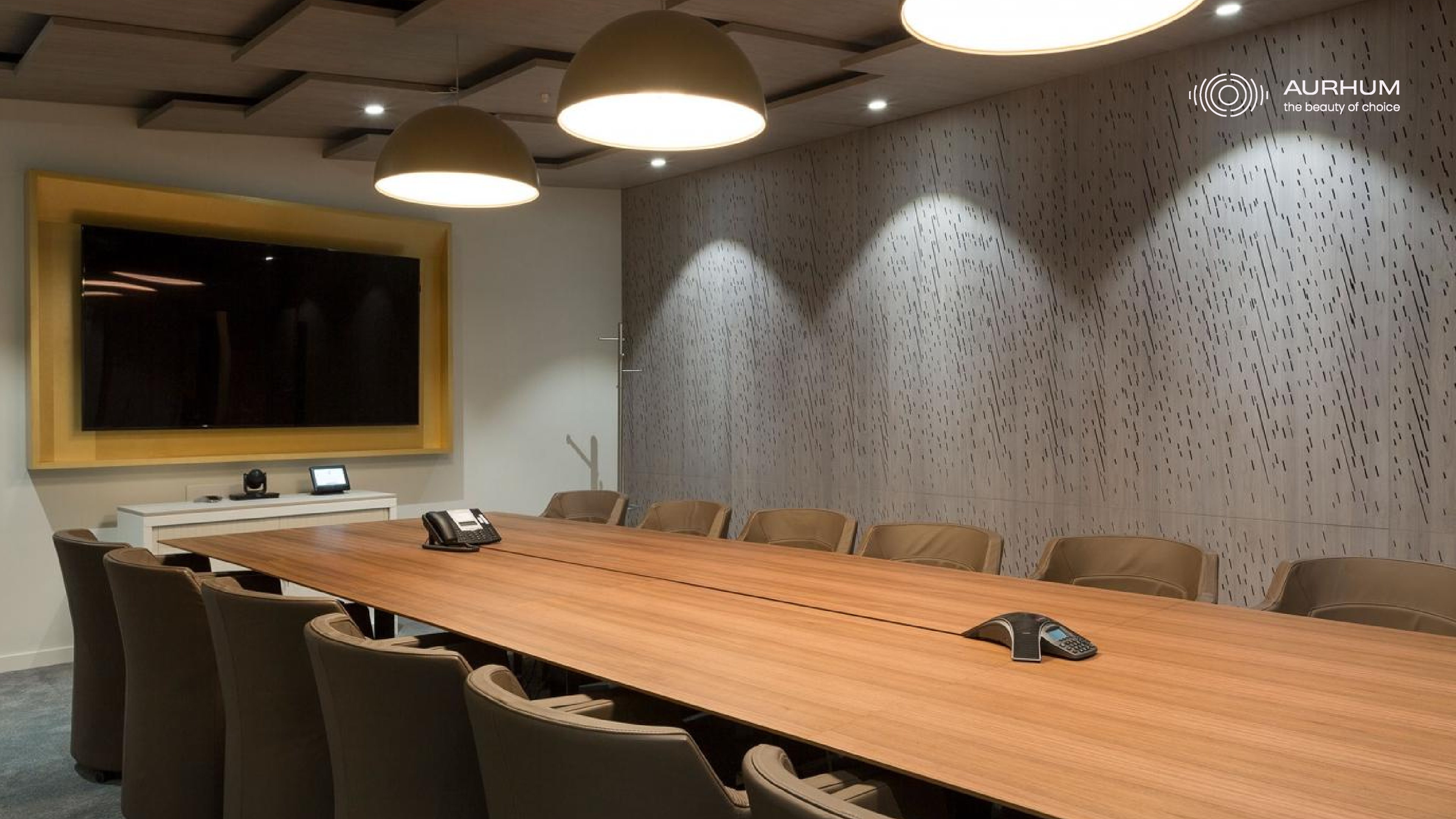
12 min
Learn how to choose the right acoustic wall panels for meeting rooms to reduce echo, improve speech clarity, enhance privacy, and create a more comfortable, professional workspace.
A corporate meeting room needs more than a professional-looking table, comfortable chairs, and a large display. The room also needs to support clear communication. When voices reflect off glass, concrete, plastered walls, or other hard surfaces, conversations can become less clear, and the room may feel unnecessarily noisy.
This is where acoustic wall panels can make a practical difference.
Meeting rooms are often used for presentations, team discussions, client calls, video conferences, and confidential conversations. Each activity depends on speech being easy to understand. Choosing the right acoustic treatment can help control reflections and reverberation while allowing the room to maintain a polished corporate appearance.
However, choosing acoustic panels is not simply a matter of selecting a design you like and covering a wall. Room size, surface materials, ceiling height, furniture, noise sources, panel characteristics, placement, and the intended use of the room should all be considered.
This guide explains what to look for when selecting acoustic wall treatment for a corporate meeting room.
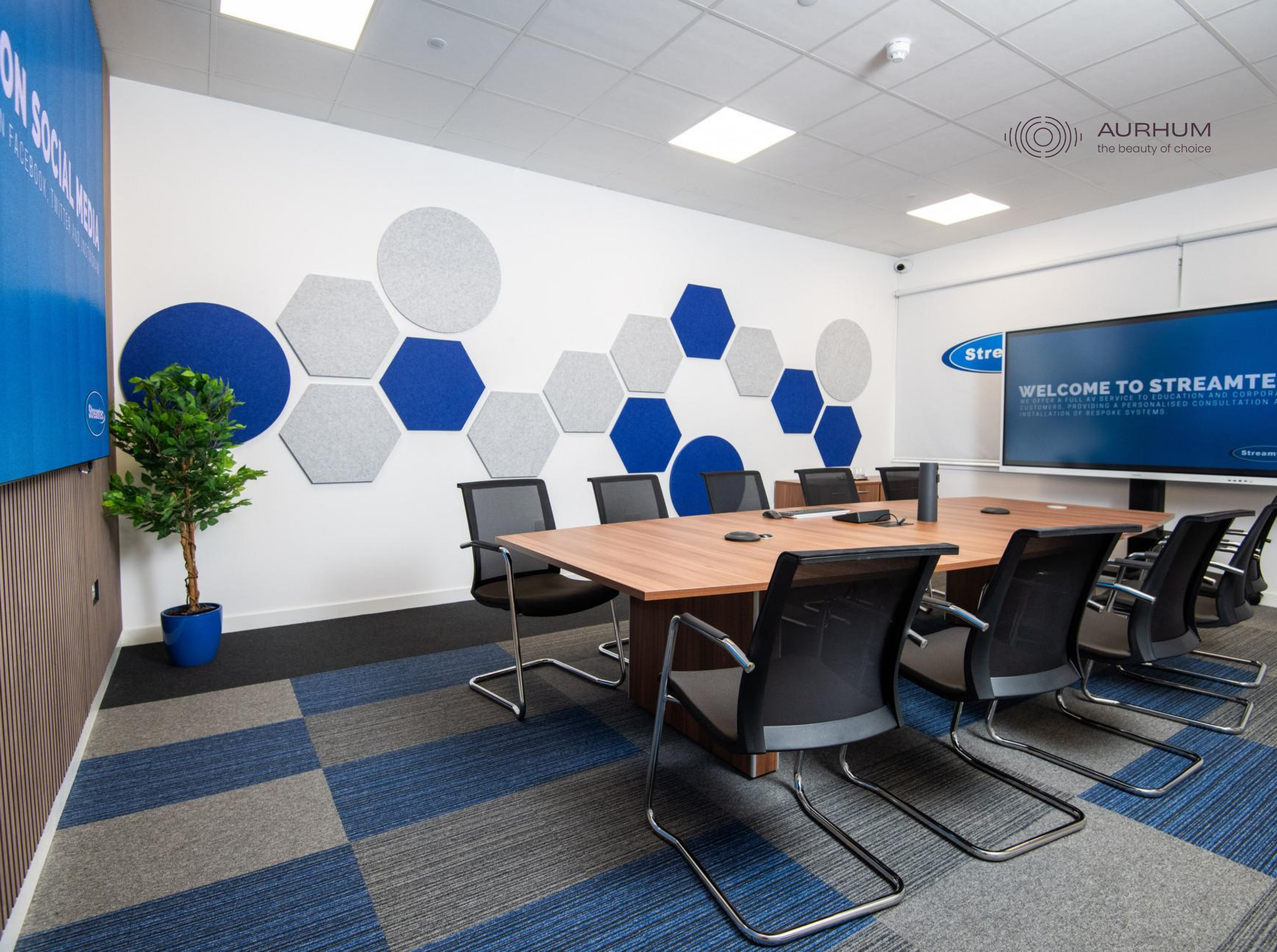
The right acoustic wall panels should provide appropriate sound absorption for the room while fitting its size, design, and intended use. Consider room dimensions, reflective surfaces, speech clarity, panel placement, absorption requirements, appearance, durability, and installation before making a decision.
The objective is not to make the room completely silent. It is to create a controlled acoustic environment where people can communicate comfortably and clearly.
Meeting rooms frequently contain materials that reflect sound. Glass partitions, large screens, painted walls, tables, hard flooring, and ceilings can all contribute to reflections.
When someone speaks, some of their voice reaches the listener directly while other sounds reflect from surrounding surfaces. These reflections can overlap with the original speech, making the room sound reverberant or less controlled.
This becomes particularly noticeable during:
Team meetings with several people speaking
Video conferences
Presentations
Client discussions
Training sessions
Meetings requiring conversational privacy
A room can therefore have excellent visual design but still perform poorly acoustically.
Acoustic treatment helps by absorbing some of the sound energy that would otherwise reflect around the room.
Start with the room itself.
A small meeting room with a low ceiling will behave differently from a large boardroom with a high ceiling and extensive glass surfaces. Room dimensions influence how sound reflects and how much acoustic absorption may be appropriate.
A rectangular room with large parallel walls may also produce noticeable reflections between opposing surfaces.
Before selecting a panel, consider:
Room length and width
Ceiling height
Number of occupants
Wall area
Existing acoustic materials
Floor and ceiling finishes
The goal is to select treatment according to the room rather than assuming the same solution will work equally well everywhere.
Not every meeting room has the same acoustic problem.
For one room, excessive reverberation may be the main issue. In another, a large glass wall may create strong reflections. A room used primarily for video calls may have different requirements from a boardroom used for large presentations.
Walk through the room and identify the surfaces that are most likely to reflect sound.
Large uninterrupted walls, glass surfaces, hard ceilings, and other reflective areas deserve particular attention.
One of the most important characteristics of acoustic treatment is its ability to absorb sound.
Sound absorption panels reduce the amount of sound energy reflected from the surface where they are installed. This can help control reverberation and improve the acoustic environment inside the meeting room.
The amount and type of absorption required depend on the room and its existing materials.
Instead of asking, "How many panels should we buy?", a better question is:
"Where does the room need additional absorption?"
This leads to a more effective treatment strategy.
Meeting rooms are primarily communication spaces. Therefore, speech clarity should be a central consideration.
If a room has too many hard surfaces, speech reflections can overlap and make conversations less distinct. This can become particularly frustrating during video conferences, where microphones and speakers can further complicate the sound environment.
Well-planned acoustic treatment can help create a more controlled environment for speech.
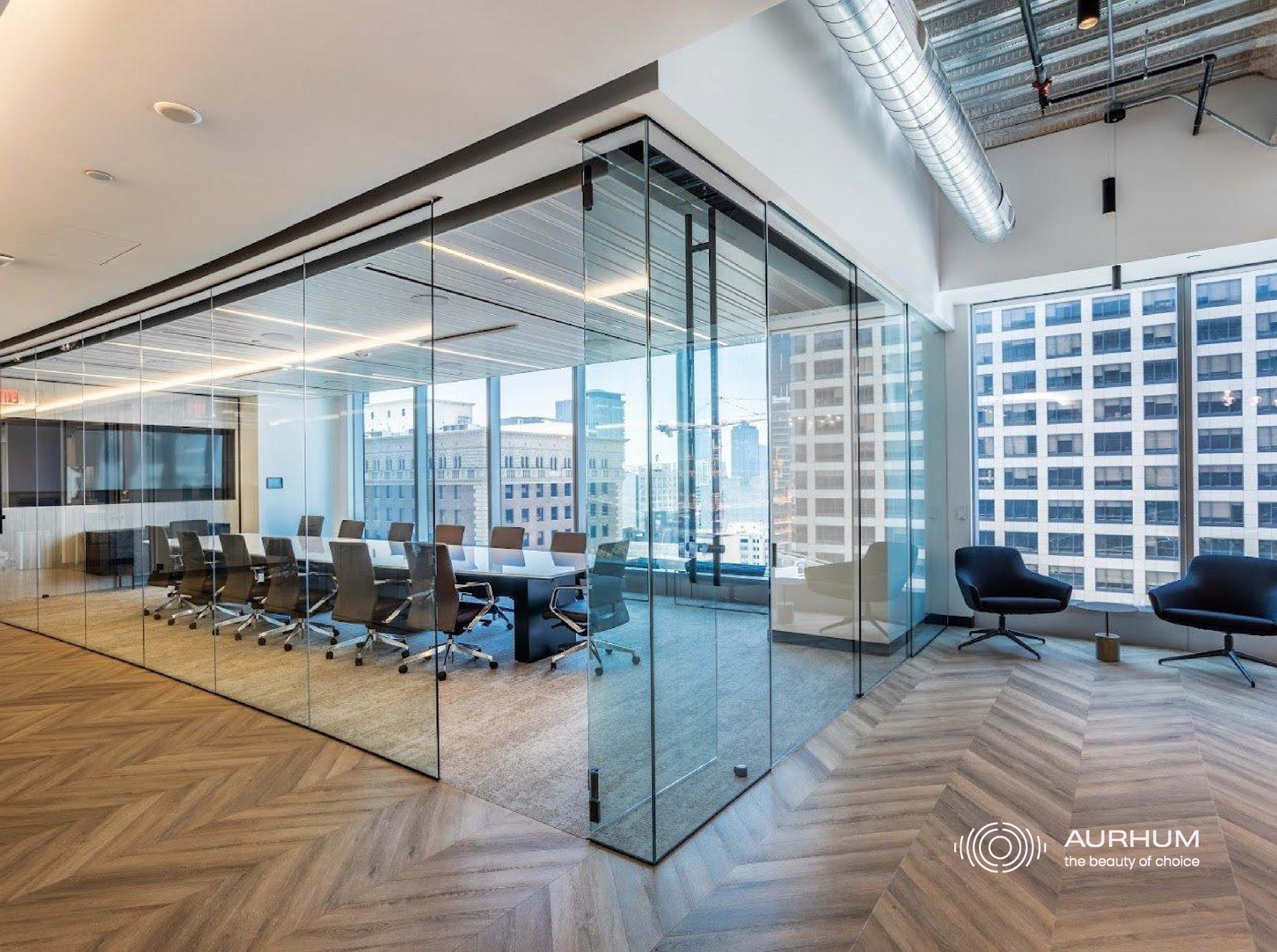
There are different types of acoustic products available, and the right choice depends on the room's acoustic and visual requirements.
Solution | Main Purpose | Suitable For | Key Consideration |
Acoustic panels | Absorb sound reflections | Meeting rooms and offices | Balance absorption with room design |
Acoustic sound panels | Control reflections and reverberation | Corporate spaces | Choose according to room requirements |
Sound panels for walls | Treat reflective wall surfaces | Meeting rooms and open offices | Placement is important |
Acoustic boards for walls | Add absorptive treatment to walls | Commercial interiors | Consider the finish and installation |
Wood acoustic wall panels | Combine acoustic treatment with visual design | Boardrooms and premium interiors | Consider the acoustic construction, not just the appearance |
The terminology used by manufacturers can vary, so buyers should focus on the actual acoustic purpose and construction of the product rather than choosing solely based on its name.
Panel placement can be just as important as panel selection.
Installing sound panels for walls on the first available wall may not provide the best result. Instead, identify the surfaces where sound reflections are most significant.
Potential locations include:
A large bare wall can create repeated reflections. Treating an appropriate portion of that surface can help reduce reflected sound.
If the room is regularly used for discussions, presentations, and calls, wall treatment around the occupied area can help control speech reflections.
When two large parallel walls face one another, sound can bounce between them. Strategic treatment can help interrupt this reflection path.
The location of screens, cameras, microphones, and speakers should also be considered. Acoustic treatment should support the room's communication setup rather than obstruct equipment or create installation problems.
Wood acoustic wall panels are often considered when interior appearance is an important part of the project.
A corporate meeting room may need to communicate a particular visual identity to employees, clients, and visitors. Wood finishes can provide a more architectural appearance than conventional office treatment.
However, appearance should not be the only deciding factor.
When considering wood acoustic treatment, check:
What acoustic function does the panel provide
How is it constructed
Where should it be installed
Whether it suits the room's existing materials
How will it be maintained
Whether the finish fits the overall interior
A visually attractive panel is most useful when it also contributes appropriately to the room's acoustic requirements.
This distinction is particularly important when choosing acoustic products.
Acoustic panels primarily provide sound absorption inside a room. They help reduce reflections and reverberation, which can improve speech clarity and the overall acoustic environment.
Soundproofing, or sound isolation, is different. It aims to reduce sound transmission from one space to another and generally involves structural elements such as walls, doors, ceilings, floors, or other construction details.
A sound-dampening panel installed on a meeting-room wall should therefore not automatically be described as a soundproofing solution.
If the problem is that people in the next room can hear every conversation, wall-mounted acoustic treatment alone may not solve the underlying transmission problem.
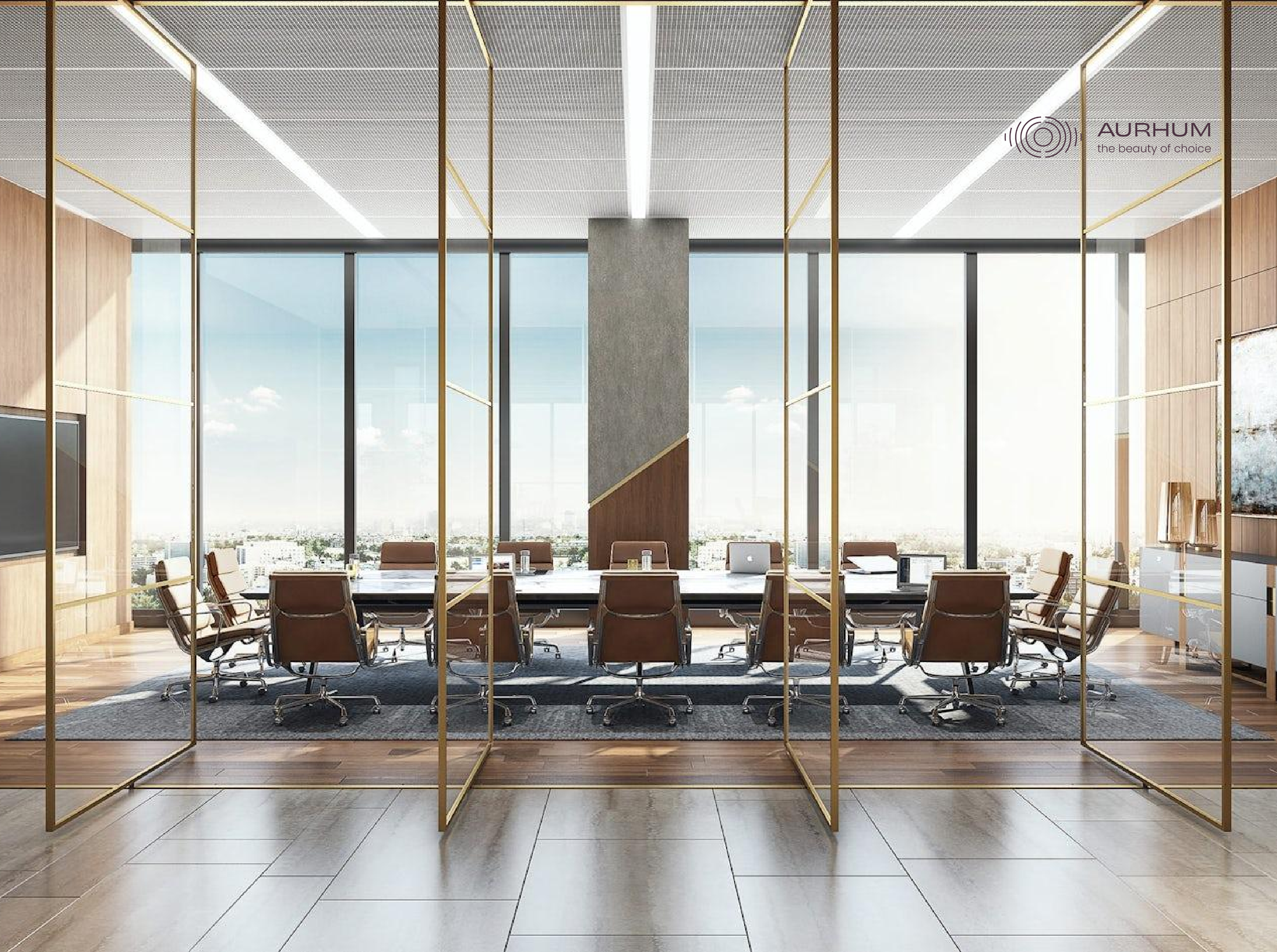
There is no universal number of panels that works for every corporate meeting room.
The required treatment depends on factors such as:
Room dimensions
Ceiling height
Number of people
Wall and ceiling materials
Floor finish
Glass area
Furniture
Meeting activities
Existing acoustic treatment
For example, a meeting room with carpet, upholstered furniture, and an acoustically treated ceiling may require a different wall treatment strategy from a room dominated by glass and hard surfaces.
This is why simply calculating panels based on room size can be misleading.
The better approach is to understand the room's acoustic characteristics and then determine where additional absorption is needed.
When comparing products, look beyond appearance and price.
Understand what the product is designed to absorb and how it is intended to perform within the room.
Meeting rooms are visible corporate spaces. The acoustic treatment should complement the interior rather than appear disconnected from it.
Consider whether the panels can be installed effectively on the available surfaces.
Meeting rooms are frequently used spaces. The treatment should be appropriate for the expected level of everyday use and maintenance.
Check wall conditions, mounting requirements, access, and whether installation will interfere with electrical, display, lighting, or other systems.
Do not evaluate one wall in isolation. The ceiling, floor, furniture, glass, doors, and room layout all influence the acoustic environment.
Office acoustic panels can be particularly useful when the primary problem is excessive reflection and reverberation within the workspace.
For a corporate meeting room, they can complement other acoustic measures by treating reflective wall surfaces and supporting clearer communication.
However, if the meeting room suffers from significant sound transmission through doors, partitions, walls, or ceilings, additional sound isolation measures may be required.
In other words, acoustic panels are one part of an acoustic strategy—not automatically the complete solution.
If a meeting room continues to sound reverberant despite basic treatment, professional assessment can be useful.
Consider getting expert input when:
Conversations remain difficult to understand
Video meetings frequently suffer from poor room acoustics
Sound travels noticeably throughout the room
The room contains extensive glass or other reflective materials
A large boardroom is being designed from scratch
Multiple acoustic requirements need to be balanced
You are unsure where panels should be installed
An assessment helps identify the actual acoustic problem before selecting materials.
This is especially valuable for corporate projects where the acoustic treatment needs to work alongside interior design, lighting, furniture, technology, and space planning.
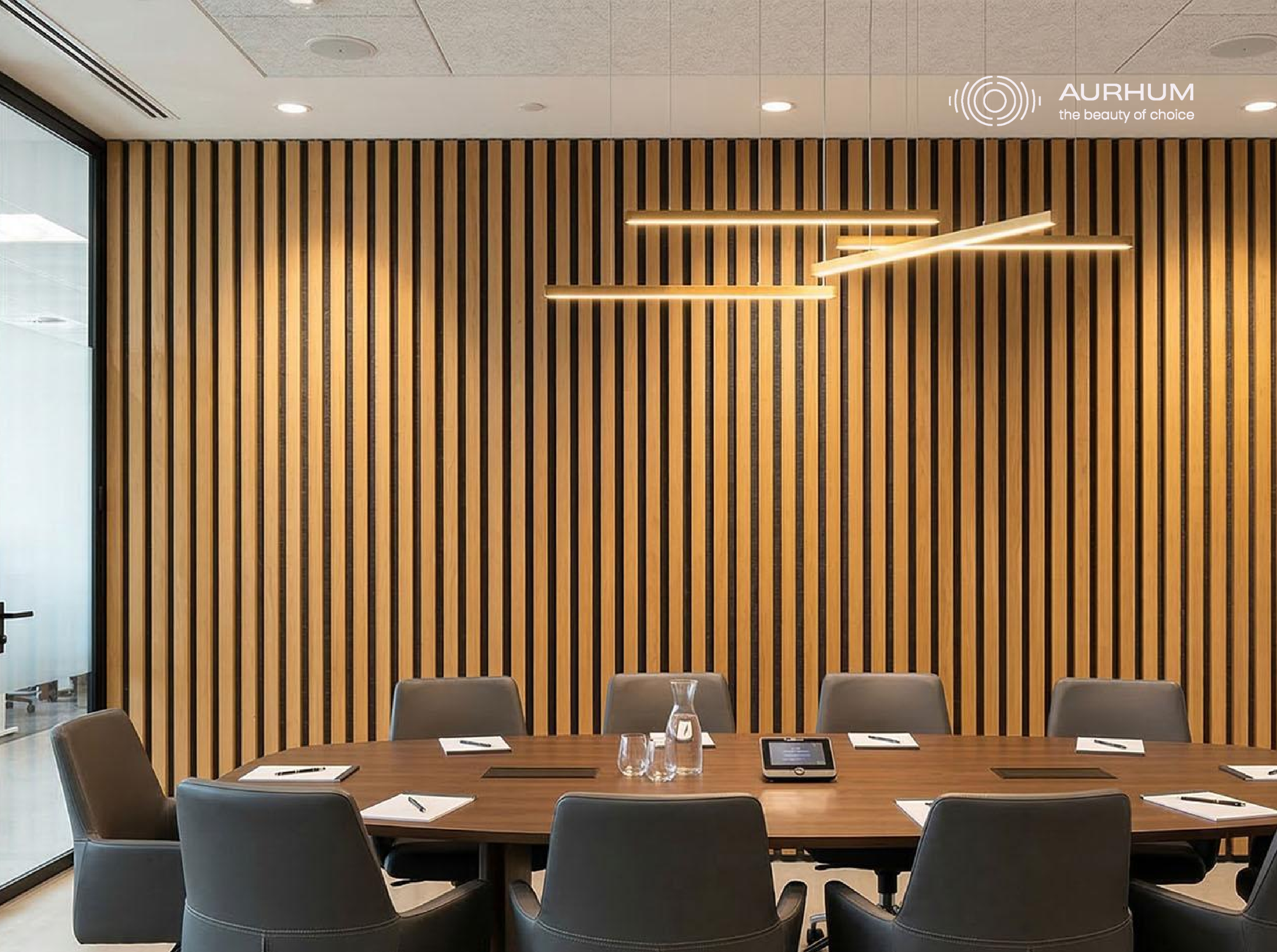
Choosing acoustic wall panels for a corporate meeting room should start with the room—not the product catalogue.
Consider how large the room is, where sound is being reflected, how many people use it, what activities take place there, and what level of speech clarity is required.
The most effective approach may combine wall treatment with appropriate ceiling treatment, furniture, layout planning, and other acoustic measures.
Good acoustic design does not mean making a meeting room silent. It means creating a space where people can hear, communicate, collaborate, and conduct meetings without unnecessary acoustic distractions.
If you are planning an acoustic solution for a corporate meeting room, Aurhum Studio 9 can help you approach the space from an acoustic and design perspective. From acoustic wall treatment to ceiling solutions, the right approach begins with understanding how sound behaves within the room.
Acoustic wall panels are primarily used to absorb sound reflections within a meeting room. By reducing some of the sound energy that would otherwise reflect from hard walls, they can help control reverberation and create a more comfortable environment for conversations, presentations, and video meetings. They do not provide the same function as structural soundproofing.
Start by assessing the room's size, ceiling height, wall materials, glass surfaces, furniture, occupancy, and primary noise sources. Then consider the type and amount of sound absorption required, panel placement, appearance, durability, and installation requirements. The best solution is one designed around the room's acoustic characteristics rather than simply choosing the largest number of panels.
No. Acoustic panels primarily control sound reflections and reverberation inside a room. Soundproofing or sound isolation aims to reduce sound transmission between separate spaces and usually involves construction elements such as walls, ceilings, doors, and floors. Acoustic treatment can improve how a meeting room sounds internally but should not be presented as a substitute for structural sound isolation.
They should generally be positioned on significant reflective surfaces and in locations where sound reflections are likely to affect speech clarity. Large bare walls, areas surrounding meeting activity, and opposing reflective surfaces can be useful treatment locations. Placement should be based on the room's specific characteristics rather than simply covering every available wall.
Yes, wood acoustic wall panels can be suitable when acoustic performance and interior appearance both matter. They can provide a more architectural finish while contributing to sound absorption, depending on their construction. However, buyers should evaluate the acoustic properties, installation requirements, durability, and suitability for the specific room rather than selecting wood panels based on appearance alone.
There is no fixed number because every meeting room has different acoustic characteristics. Room dimensions, ceiling height, existing materials, furniture, occupancy, and the amount of reflective surface all influence the treatment required. It is generally more useful to identify the room's main reflection areas and determine the appropriate treatment strategy than to use a fixed panel count.
They can help create a more controlled acoustic environment for video conferencing by reducing reflections and reverberation inside the room. This may make speech easier to understand for people in the room and can support a better environment for microphones. However, panel placement and the room's overall acoustic design matter, and acoustic panels do not automatically resolve every audio or conferencing problem.
In many situations, acoustic treatment can be introduced without fundamentally changing the room's structure. Wall-mounted or ceiling-based absorptive solutions can address reflections while working alongside existing furniture and interior elements. However, if the primary concern is sound transmission through walls, doors, floors, or ceilings, structural sound isolation may be needed instead of—or in addition to—acoustic treatment.