
Loading…
Loading…
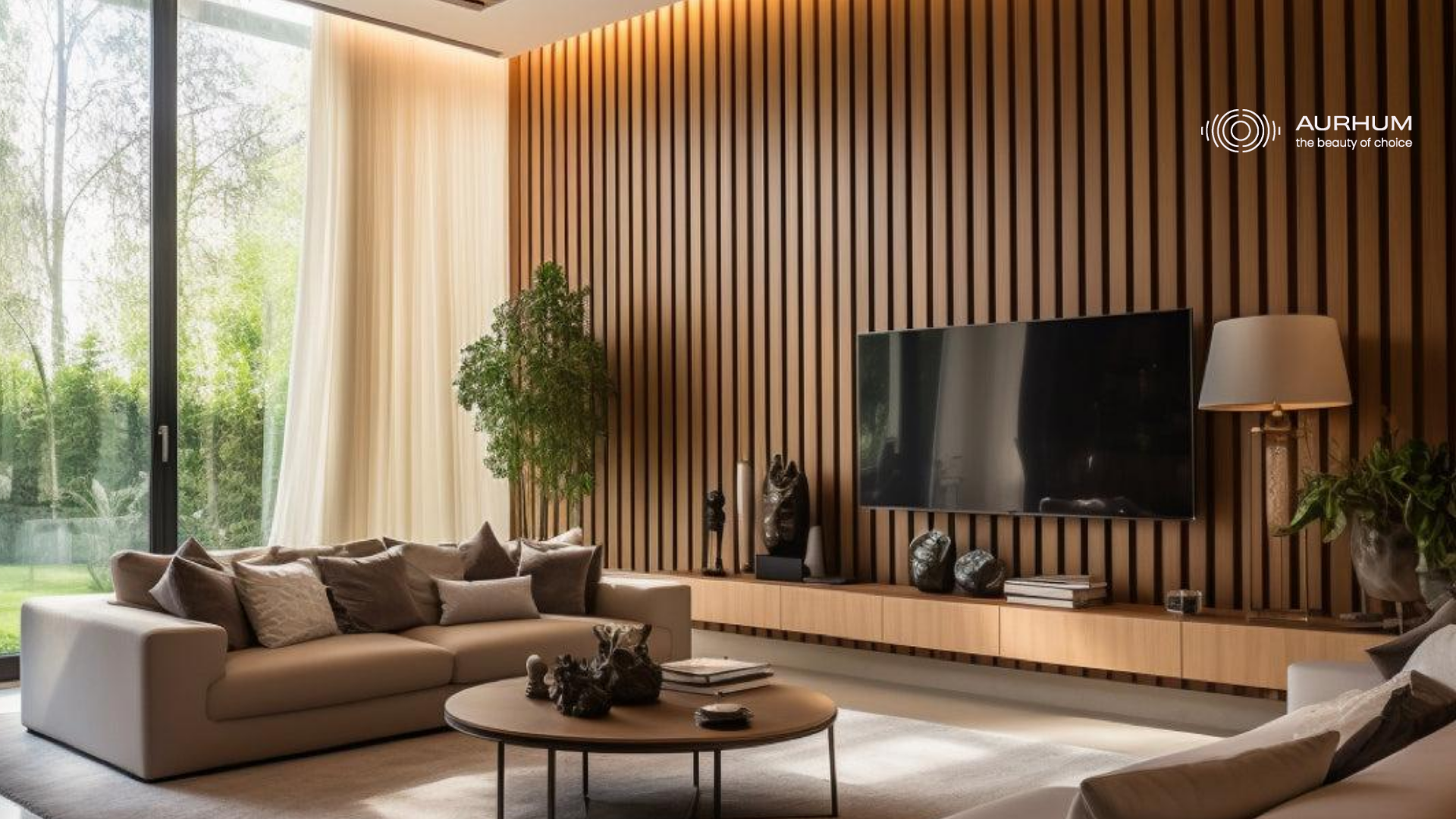
11 Min
Learn how to reduce echo in living rooms and home studios without covering walls in foam. Discover where to place acoustic panels, how they compare with acoustic foam, and how rugs, curtains, furniture, and smart placement can improve sound quality.
Bare walls, a hard floor, a vaulted ceiling, and a room that sounds like it's talking back to you - this is one of the most common acoustic complaints in home living rooms and home studios alike. The instinct for many people is to reach for cheap foam tiles and tack them across every wall, but that's rarely the right fix, and it almost never looks the way anyone hoped it would.
Echo happens when sound waves bounce repeatedly off hard, flat surfaces before they fade out. In a well-treated room, sound is absorbed quickly and evenly. In an untreated one, it keeps reflecting - off the walls, the ceiling, the windows - creating that hollow, "boxy" sound that makes speech less clear and music or vocals sound muddy on a recording. The fix isn't necessarily more material everywhere; it's the right acoustic panels in the right places.
This guide breaks down why echo builds up in the first place, why blanket foam coverage usually isn't the answer, and what actually works - whether you're trying to make a living room sound calmer or trying to get a home studio ready for recording.
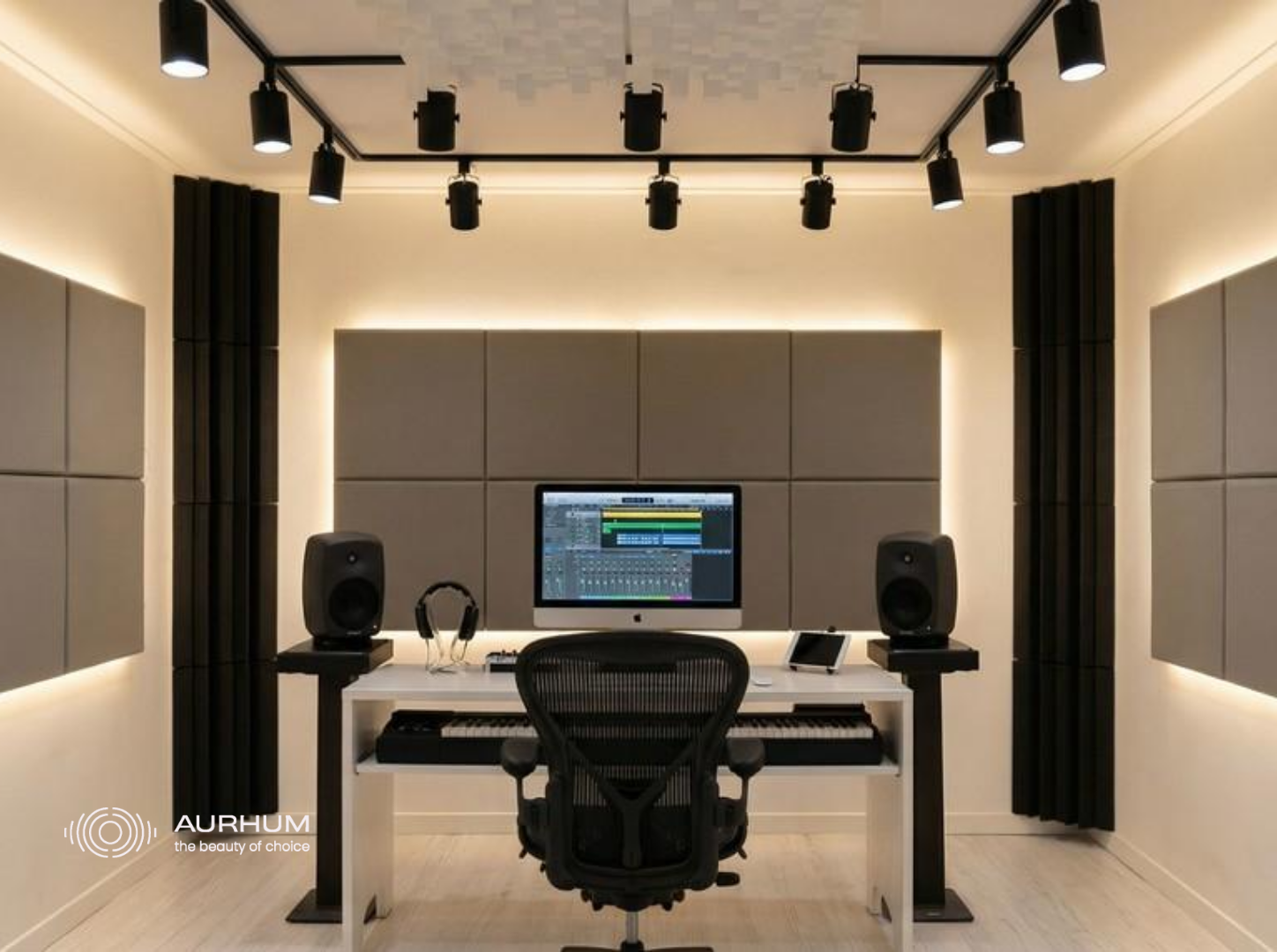
Echo is reduced by absorbing sound energy at the points where it reflects the most - typically the first reflection points on side walls, the ceiling above a listening or recording position, and any large flat, hard surface. A small number of well-placed acoustic panels usually outperforms covering an entire room in foam, both acoustically and visually.
Hardwood, tile, or laminate flooring reflects sound efficiently, and rooms with sparse furniture give sound very little to absorb along the way. A living room with a hard floor, a glass coffee table, and no rug will almost always sound livelier and echoier than one with soft furnishings spread throughout.
Parallel walls with nothing on them create a repeating bounce pattern, where sound reflects back and forth between the two surfaces before it dissipates. This is especially noticeable in smaller rectangular rooms, including many home studios, where the walls sit close enough together for the reflections to overlap audibly.
Ceilings are one of the most overlooked reflective surfaces in a home. A high or vaulted ceiling gives sound extra distance to travel and bounce before it reaches the listener again, which is part of why open-concept living rooms with tall ceilings often sound louder and less controlled than smaller, lower-ceilinged rooms.
Glass is one of the hardest, most reflective materials commonly found in a home. Large windows or glass doors in a living room, or a monitor and glass rack panel in a studio, contribute meaningfully to overall reflection, even when everything else in the room has been treated.
New builds, recently moved-into homes, and minimalist studio setups often share the same problem: not enough soft material in the room to interrupt sound. Furniture, textiles, and books all provide some incidental absorption - when a room is mostly empty, that natural buffer disappears.
Recording and mixing spaces face an added challenge: reflections don't just sound bad, they get picked up by microphones and color what a listener hears back on speakers or headphones. A vocal booth or mixing desk positioned between two untreated parallel walls will often pick up flutter echo that's far more noticeable on a recording than it is to the ear in the room.
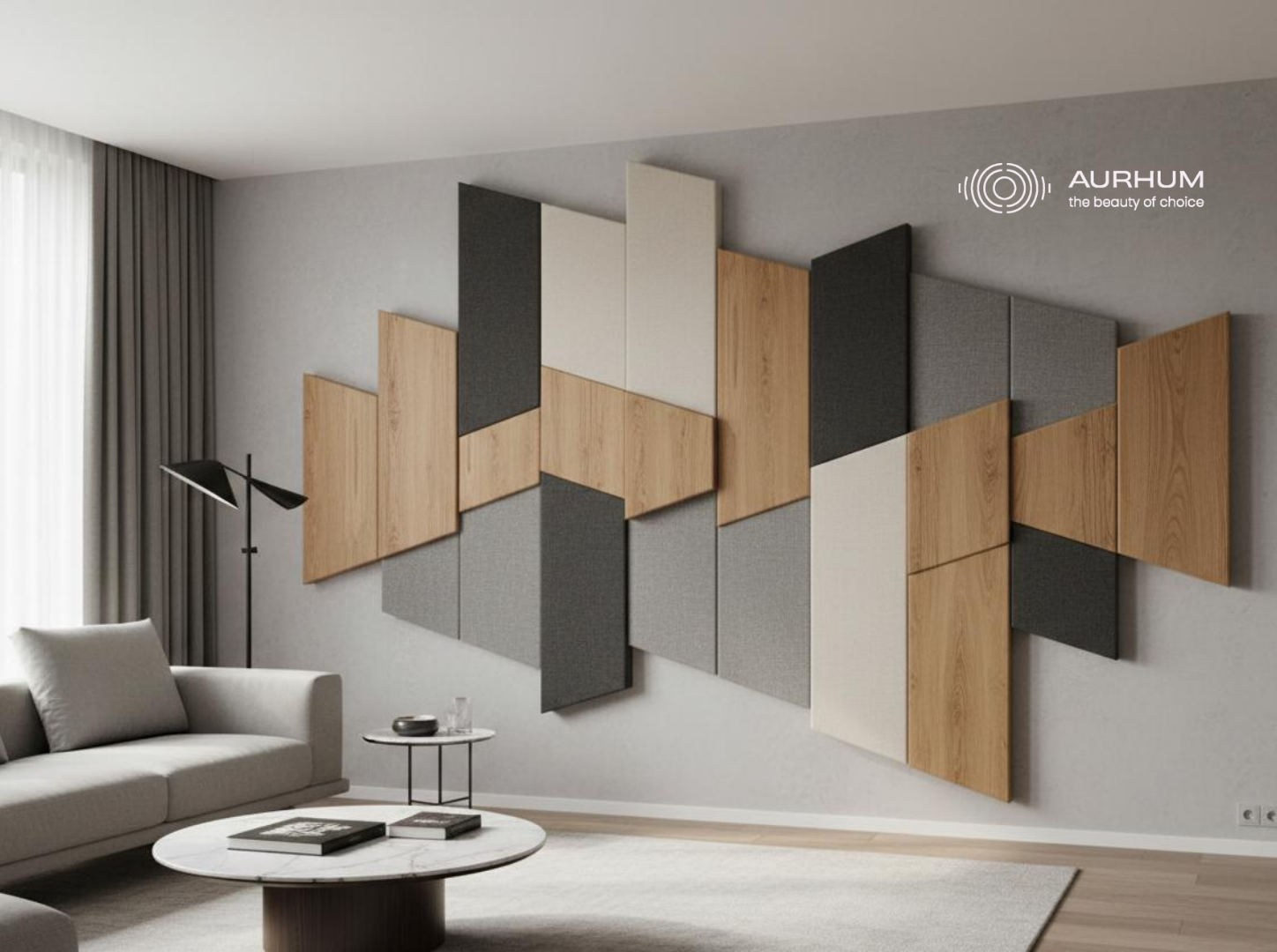
Acoustic foam has a place, but covering an entire room in it is rarely the most effective - or most livable - solution. Standard foam tiles are generally most effective at absorbing higher frequencies and have limited impact on lower-frequency rumble, which is often what makes a room feel "boomy" rather than just echoey. Covering every surface also doesn't account for the fact that most reflections that matter come from a handful of specific points in the room, not the entire wall area.
There's also the aesthetic reality: full foam coverage rarely fits a living room, and even in a dedicated studio, it can make the space feel unpleasant to spend time in. Targeted acoustic panels - designed with denser absorptive cores and finished in fabric or wood veneer - typically address a broader range of frequencies and blend into a room rather than dominating it.
Acoustic panels placed at first-reflection points - the spots on the side walls where sound first bounces toward a listening or recording position - tend to deliver the most noticeable improvement for the least material.
Acoustic panels for walls near a TV, speaker setup, or vocal booth address the surfaces closest to where sound is generated and first reflected.
Sound panels for walls positioned symmetrically on either side of a room help balance reflections rather than create an uneven, one-sided sound.
Sound-dampening panels on or near the ceiling, particularly above a seating or mixing position, address one of the most commonly overlooked reflective surfaces.
Sound-absorbing panels in corners can help tame bass buildup, which flat wall panels alone don't fully address.
Rugs, curtains, and soft furniture add incidental absorption throughout the room and reduce how much treatment is needed elsewhere.
Bookshelves and uneven surfaces break up direct reflections simply by disrupting a flat, hard plane.
Furniture layout - angling seating away from bare walls, or adding a sofa against a previously empty wall - can reduce reflected sound without adding any acoustic product at all.
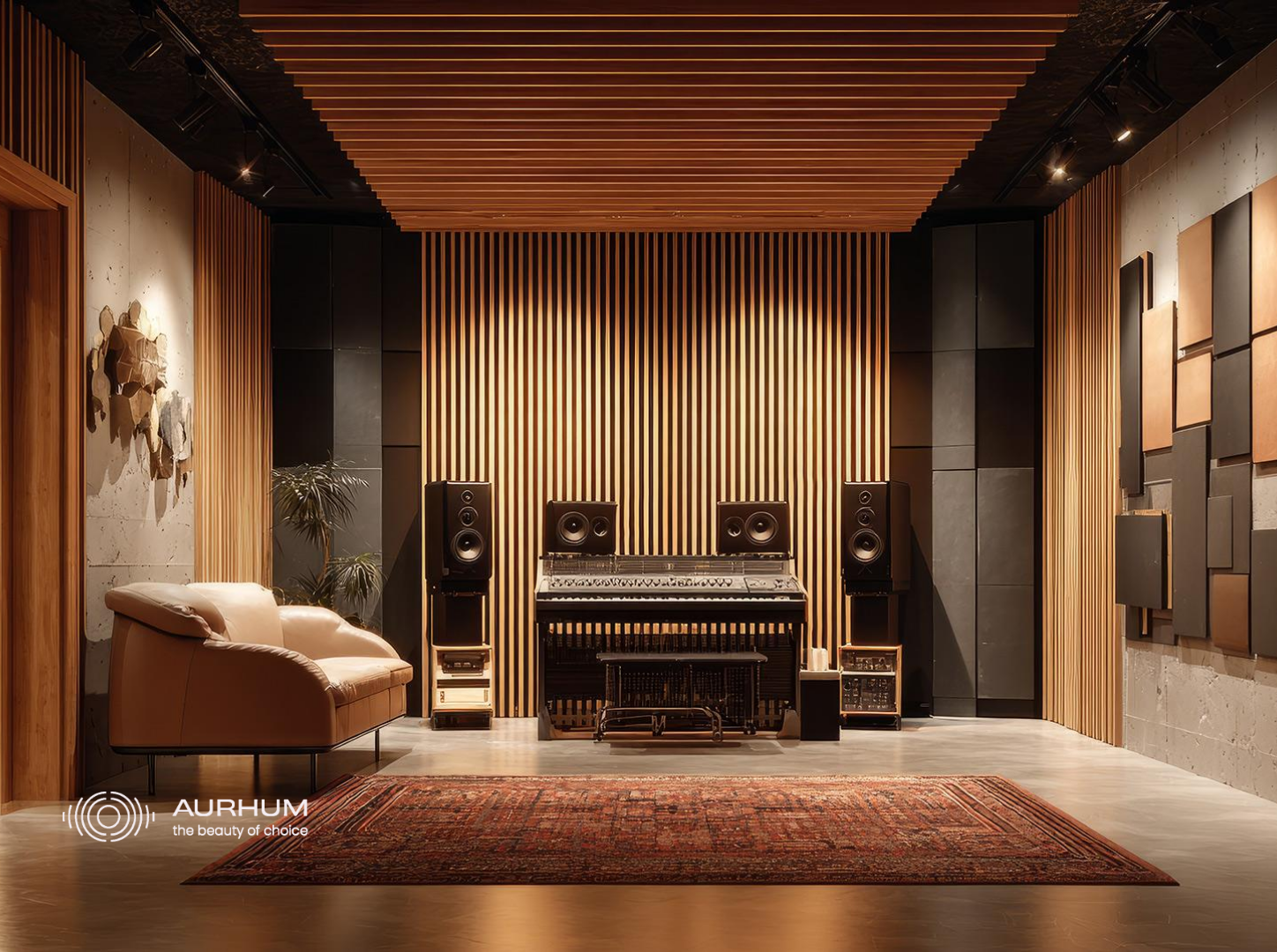
Both are used for absorption, but they're not interchangeable, and choosing between them depends on the room and the goal.
Solution | Main Purpose | Frequency Coverage | Typical Use |
Acoustic panels | Absorb reflections with a denser core, often fabric or wood-finished | Broader range, including some low-mid frequencies | Living rooms, studios, offices, anywhere aesthetics matter |
Acoustic foam | Absorb higher-frequency reflections cheaply | Mostly high and upper-mid frequencies | Small vocal booths, closets, budget studio corners |
Bass traps | Address low-frequency buildup in corners | Low frequencies | Studio corners, small rooms with noticeable boominess |
Soft furnishings (rugs, curtains) | Add incidental, general absorption | Light, broad-spectrum absorption | Living rooms, bedrooms, any lived-in space |
Foam isn't wrong for every application - it's a reasonable, low-cost option for small, enclosed spaces like a closet vocal booth. But for a living room or a full studio, acoustic panels generally offer better frequency coverage and a finish that doesn't turn the room into something unusable for anything else.
Placement matters more than quantity. In a living room, the priority areas are usually the wall behind the main speakers or TV, the side walls at ear height near the primary seating area, and any large glass surface nearby. In a home studio, the first-reflection points - found by sitting at the mixing or listening position and having someone slide a mirror along the side walls until you can see the speaker in it - are typically the highest-impact spots.
Ceilings deserve attention in taller rooms, particularly directly above a listening or recording position. Corners are worth treating separately if the room feels boomy or bass-heavy rather than simply echoey, since flat panels don't address low-frequency buildup as effectively as corner-specific treatment.
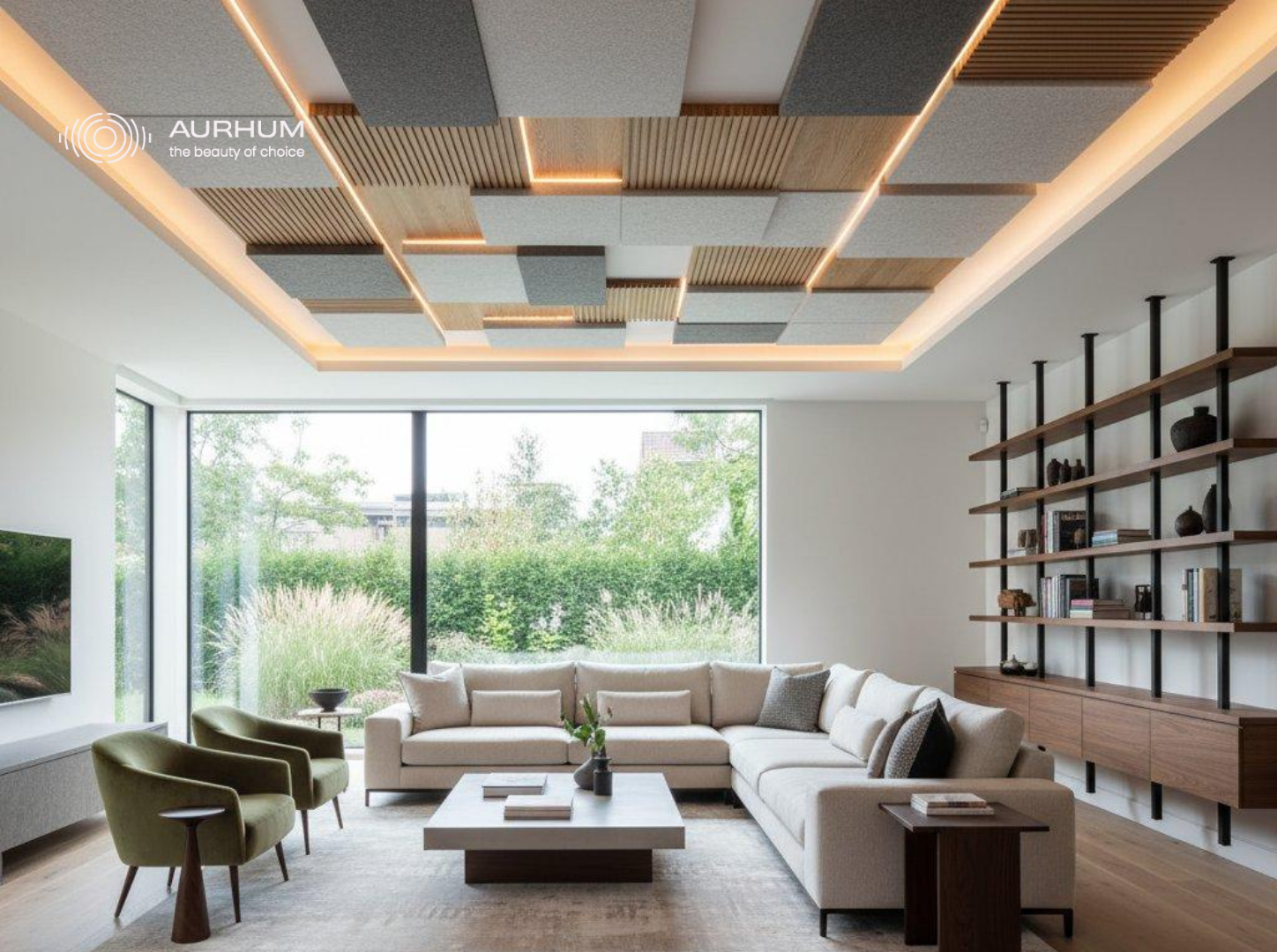
A few practical factors typically guide the right approach:
Room size and shape - smaller, more rectangular rooms usually need more targeted treatment on parallel walls.
Primary use of the room - a living room prioritizes comfort and speech clarity, while a studio prioritizes accurate, controlled sound for recording or mixing.
Existing furnishings - a room already full of soft furniture may need far fewer panels than one that's mostly empty.
Noise complaint or symptom - echo, boominess, and harsh reflections each point toward slightly different treatment priorities.
Aesthetic requirements - fabric-wrapped panels can be chosen to match interior design, which matters more in a living room than a dedicated studio.
Budget and coverage - it's usually better to treat the highest-impact spots well than to spread a small number of panels too thinly across the whole room.
Basic changes - a rug, curtains, a few panels at obvious reflection points - resolve many everyday echo problems. But if a room still sounds harsh or boomy after those changes, if recordings pick up noticeable flutter echo despite visible treatment, or if the space needs to meet a specific standard for recording or client use, it may be worth a proper acoustic assessment. This helps identify exactly which frequencies and reflection points are causing the problem before spending on additional material.
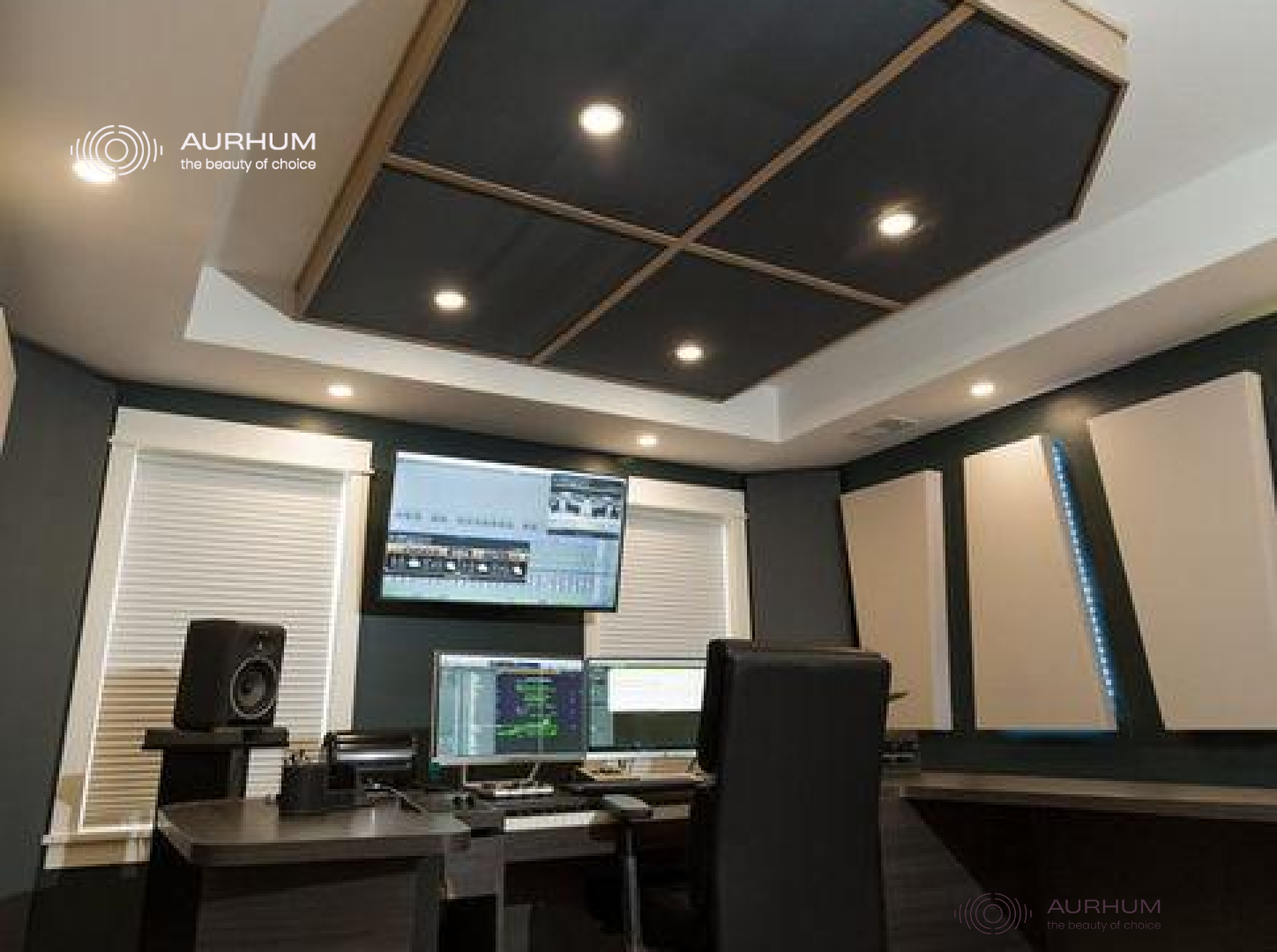
Reducing echo in a living room or studio isn't about covering every surface in foam - it's about understanding where sound reflects the most and treating those specific points effectively. A handful of well-placed acoustic panels, combined with soft furnishings and thoughtful layout, usually does more for both sound and appearance than a wall-to-wall foam job ever will.